The boy who wanted to Die: A silent cry from Maiduguri
23 Dec 2025
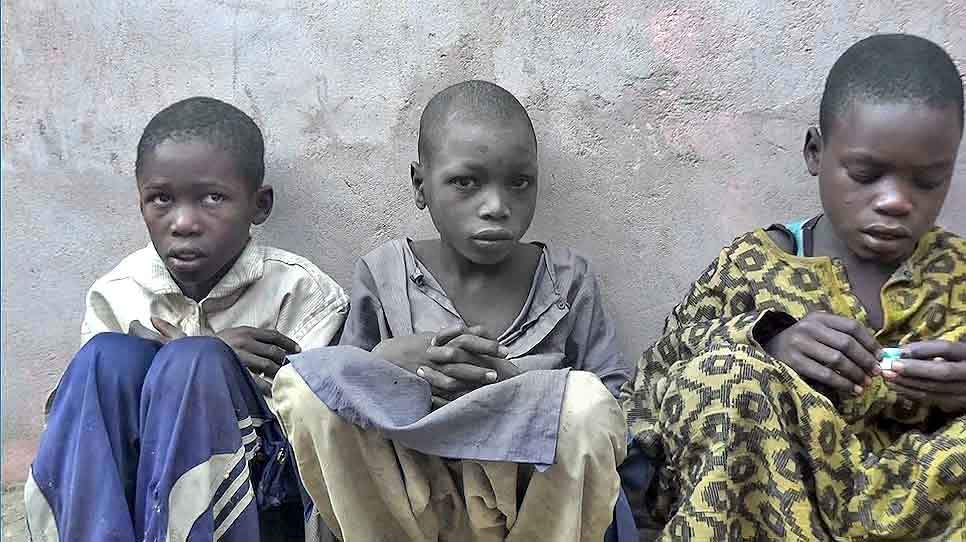
During my stay in Maiduguri after my NYSC, I began homeschooling a 15-year-old boy. On a quiet Monday evening, I walked in to find him sitting in a corner, eyes swollen from crying. After much persuasion, he finally spoke.
“Sir, I’m having a bad week,” he said softly.
Trying to encourage him, I replied, “It’s just Monday. How do you know the coming days won’t be better?”
He looked up and shook his head. “They won’t, sir. I already know what will happen tomorrow, and the next, and the next.”
I dropped my book, pulled up a chair, and listened. What he shared next nearly moved me to tears.
A Childhood in Pain
He lived with his uncle and suffered daily abuse from the uncle’s first wife. For days, he would go without food, four days at the time we spoke, surviving only on water and the occasional snack when luck was on his side. Meanwhile, the aunt and her children ate well. The uncle’s second wife pitied him but feared confrontation. Whenever she could, she secretly packed food for him in her three- year-old daughter’s lunchbox so he could eat while taking the child to school.
When I asked if his uncle knew, his answer was more painful than I expected.
“He does, sir... but he said he can’t intervene.”
Then came the words that shook me to my core.
“Sir, I’m tired,” he whispered. “I’m tired of life. I wish I could just die this moment and rest.”
I froze. This was a child, a 15-year-old, carrying the kind of emotional pain most adults can’t handle.
In his desperation, he once sneaked a live snake into his aunt’s room, hoping it would end her life so he could finally find peace.
When I asked, “Do you understand what you would’ve done?” his reply chilled me.
“Sir, it doesn’t matter. I just wish my plan had worked.”
That moment broke something in me.
What could drive a child to such a point of hopelessness?
What kind of pain makes death seem easier than living?
Understanding the Roots: Adverse Childhood Experiences (ACEs)
This, right here, is what we mean when we talk about Adverse Childhood Experiences (ACEs), the negative, painful experiences children go through that leave invisible scars on their minds and hearts.
These experiences shape behavior, emotions, and identity. Children exposed to trauma are more likely to suffer depression, anxiety, poor academic performance, and substance abuse and, in some cases, they replicate the violence they experienced because that’s all they know.
My boss always says:
“I have never seen a bad child, only children whose characters were shaped by negative experiences.”
That statement has stayed with me ever since.
Without intervention, children like the boy I met in Maiduguri grow into the adults society labels as “bad boys”, the smokers, addicts, and abusers. But what we often fail to see is that behind those hardened faces are wounded children who never got the chance to heal.
The Call to Pay Attention
Every day, children around us cry for help, not with words, but with changes in behavior that we often overlook.
When a child becomes withdrawn, aggressive, fearful, or suddenly loses interest in things they once enjoyed, it’s not always “stubbornness.” Sometimes, it’s pain. Sometimes, it’s trauma.
Pay Attention to the Children Around You.
Did you notice a change in a child’s attitude? — Check on them.
Withdrawal from social activities? — Check on them.
Loss of appetite? — Check on them.
Anxiety or sadness? — Check on them.
Decline in academic performance? — Check on them.
Bruises or injuries they can’t explain? — Check on them.
These are not coincidences. They are signs of a child silently crying for help.
The Bigger Picture
Across Nigeria, millions of children live through experiences like this every day in silence.
Some are victims of physical or sexual abuse. Others endure neglect, hunger, or emotional violence that slowly eats away at their self worth.
Many of them grow up believing pain is normal, and love is something they must earn.
What happened in that room in Maiduguri is one story. But story after story like it adds up to a national crisis. The statistics make the scale painfully clear.
In 2024, the National Human Rights Commission (NHRC) recorded 137,119 cases of sexual and gender-based violence nationwide , of which 52,932 were complaints of child sexual assault.
In Lagos State alone, reported child sexual abuse cases rose to 3,215 that year.
Between February and August 2024, 43,740 child rights violations were documented across Nigeria, and in more than 22,500 of those cases, the perpetrators were the children’s parents or caregivers.
UNICEF-style estimates and national analyses show the human toll more broadly: six in ten Nigerian children experience violence before they turn 18, and fewer than 5% ever receive meaningful support.
Those numbers aren’t abstractions, they are the accumulated harm of countless silent cries. They explain why some children grow withdrawn, why others act out, and why some decide that death is easier than the daily pain they feel.
A Final Word
That boy in Maiduguri taught me something I will never forget; that behind every quiet child might be a storm they cannot put into words. So today, I ask you:
If you notice a child around you acting differently, please check on them. Talk to them.
Listen without judgment. Report abuse. Offer help.
Because somewhere right now, another child is whispering the same words:
“I’m tired of life.”
And your listening ear could be the reason they choose to live.
A child around you needs help. It’s a silent cry for help. Save a child today.
Together, we can break the cycle of trauma and rewrite the story of childhood in Nigeria.
By
Shem Afyenaku