The Legacy of Conflict and the Fight Against Gender-Based Violence in Burundi
26 May 2026
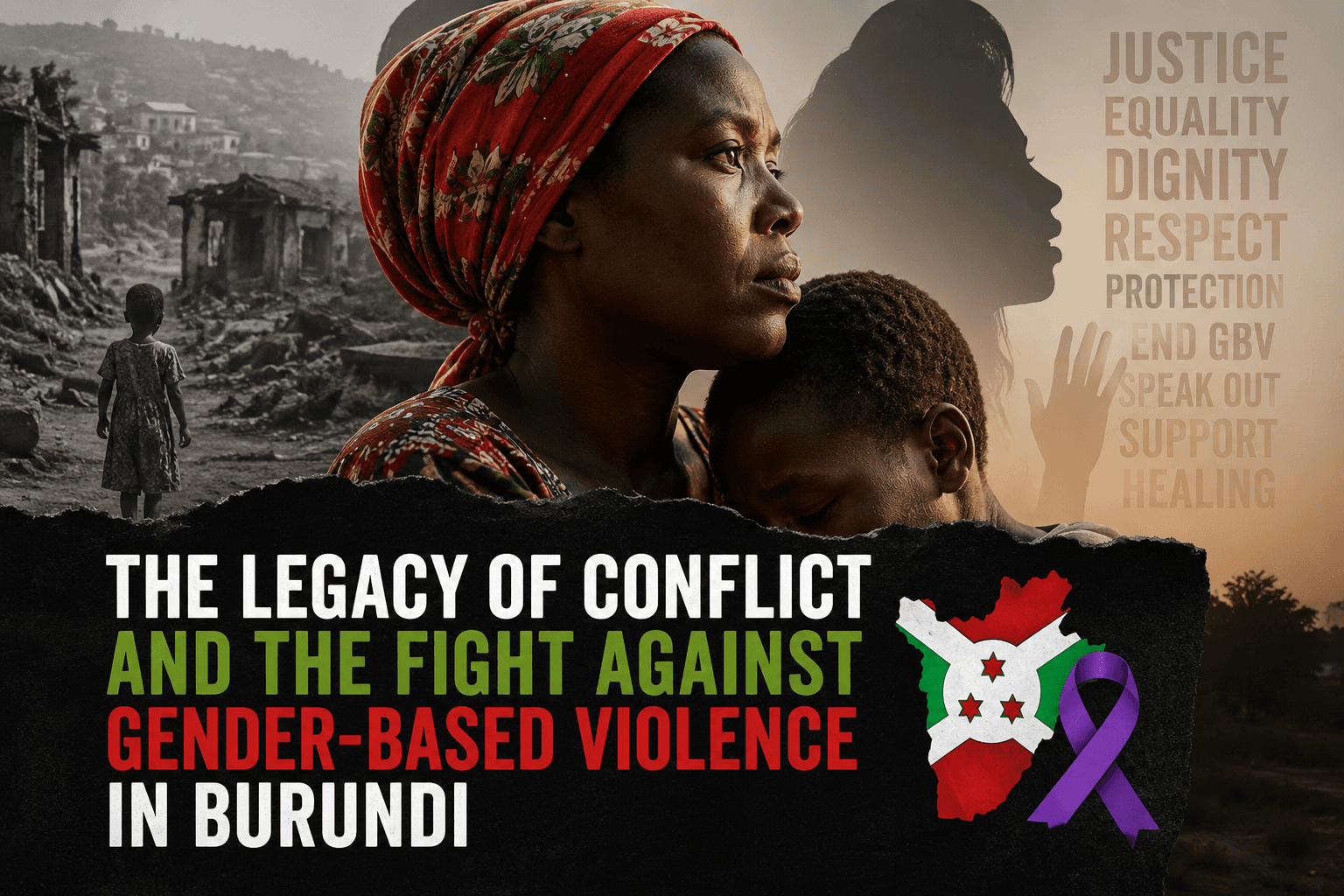
I was born in Burundi during the civil war, a period marked by widespread violence, fear, and unimaginable human suffering. My mother, profoundly affected by the conflict, was forced to give me up for my safety. She was English and later raised me under incredibly challenging circumstances, instilling resilience and courage that have shaped my outlook on life. She documented her experiences in her book, The Night the Angels Came, capturing the personal and communal trauma of living through war and the acts of courage and hope that emerged despite it all. Remarkably, my mother, Chrissie Chapman, raised 50 of us, many of whom had lost parents or all traces of relatives. Over the years, some of us tragically passed away, yet her guidance and love kept the rest of us together and safe.
Around us, countless women endured horrific atrocities—raped, beaten to death, or killed. These acts were deliberate strategies of war, designed to terrorize communities, destabilize families, and silence women. The trauma of conflict returned to my life in 2015 during the failed coup attempt. At fifteen years old, I lived through nights filled with bombings and gunfire, uncertain if I would survive until morning. Each day felt like a blessing. Amidst this chaos, the suffering of women and girls was painfully visible: stories of women beaten or found dead on the streets circulated widely, while teen pregnancies and HIV infections rose as sexual violence intensified.
Experiencing both wars firsthand gave me an acute understanding of how gender-based violence operates in conflict—beyond physical harm, it leaves lasting psychological, social, and economic scars. Survivors face stigma and marginalization, communities are destabilized, and young girls are robbed of education and opportunity.
These experiences fuel my commitment to addressing GBV. I work to challenge harmful cultural norms, support survivors, and advocate for systemic change. Key strategies include:
1. Education and Awareness: Conducting workshops and campaigns to inform communities about women’s rights, the consequences of sexual violence, and methods for prevention.
2. Survivor-Centered Support: Establishing confidential reporting channels, providing access to counseling, healthcare, and legal support, and ensuring survivors are empowered and treated with dignity.
3. Community Engagement: Engaging elders, youth groups, and local leaders in dialogue to challenge norms that perpetuate violence and promote collective responsibility.
4. Advocacy and Policy Work: Collaborating with organizations and government stakeholders to enforce laws protecting women and promoting policies addressing both prevention and accountability.
Through these efforts, communities have become more responsive, survivors are increasingly empowered, and awareness of GBV has grown. My mother’s example—her resilience, advocacy, and documentation of our shared history—continues to inspire me. Her book reminds me that even amidst the darkest times, the stories we tell and the support we provide can light the path toward justice and healing.
Reflecting on my life, I understand that peace is not merely the absence of war; it is the presence of safety, dignity, and opportunity for all. Combating gender-based violence is central to achieving this vision. By addressing GBV in post-conflict communities, supporting survivors, and challenging harmful social norms, we can create societies where women and girls not only survive but thrive.
Written By: Jeanine Ntakirutimana - Burundi