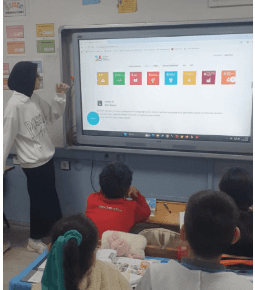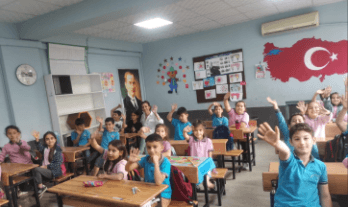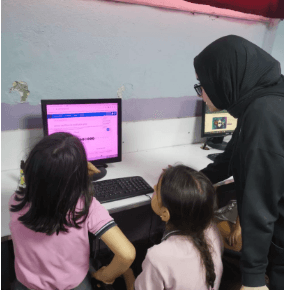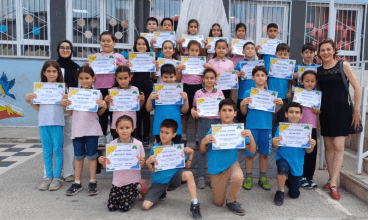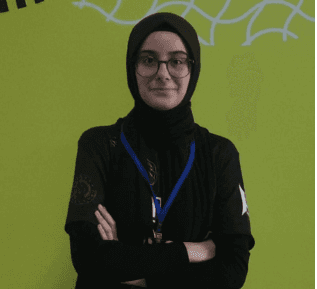


Saide Zülal is a young changemaker in Türkiye dedicated to advancing educational equity and expanding access to future-ready skills for underserved communities. She is the founder of Coding Kids, an initiative that provides a sustainable and scalable educational model aimed at improving digital literacy and introducing children in disadvantaged regions to technology. Her work directly contributes to SDG 4: Quality Education and SDG 10: Reduced Inequalities by addressing structural barriers that limit access to STEM education.
Through Coding Kids, Zülal has enabled many students to develop essential skills such as programming, algorithmic thinking, and problem-solving. She has also supported them in building confidence, strengthening academic motivation, and envisioning themselves as individuals capable of shaping their own futures. The initiative not only provides technical skills but also creates lasting impact by expanding educational awareness and access to opportunities.
Zülal’s work extends beyond education to include initiatives focused on equitable water access, water scarcity awareness, and sustainable water management, aligning directly with SDG 6: Clean Water and Sanitation. In addition, she develops interdisciplinary projects that combine traditional Turkish arts with contemporary social messages to raise awareness around the Sustainable Development Goals.
Despite growing up in an environment with limited access to scientific infrastructure, research opportunities, and institutional support, Zülal advanced through self-driven effort and was accepted into highly selective international science and research programs, including summer programs at Stanford and Harvard Universities. She has used these experiences not only for personal growth but also to bring knowledge, perspective, and opportunities back to her community.
Despite resource limitations and structural inequalities, the model she has developed demonstrates how youth-led initiatives can reduce educational disparities and create sustainable, community-level impact aligned with global development goals.